Audience profiling is information about your audience which
includes race, sexuality, gender, age, education, occupation, disposable
income, annual income, current life style/desired life style, culture, media
interests, buying habits and loyalty to
brands. All this data is collected to help create a new product that the target
audience will want to buy and will receive the message for example if the
target audience was directed at sports fans the company may advertise the
product on Sky sports or in a football stadium where the primary audience are
most likely to see it rather than placing an advert in a place where not so
many people will be able to view it.
Audience profiling splits into two categories called
demographics and Psychographics.
Demographics are a specific segment of a population that all
share characteristics, demographics are used to split people into different
letter code categories which can display the income and status and class of the
people in each group.
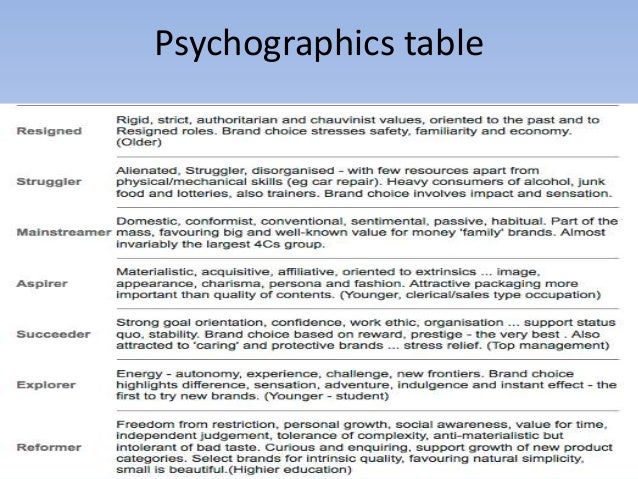
Psychographics is when people are grouped together depending
on their attitudes and tastes. Psychographics are mostly directed at an
individual’s lifestyle and links them together into 6 different categories.
Reebok audience profiling
Demographics
Age: 18
Gender: Male
Race: White
Sexuality: straight
Religion: Atheist
ABC: E
Education: collage
Occupation: Works as a part time storage room operator in
Tesco
Marital status: single
Income: £7.50 and hour
Nationality: British
Psychographics
A young independent learner who isn’t very confident and
likes to ask questions, he likes to spend his time chilling at home playing his
Xbox, he rarely goes out but likes to buy new release video games and likes to
dress to impress. He also describes himself a fun loving caring person who
likes to make others feel happy when they are around. He is a consumer that
loves finding bargins on Amazon and dresses in casual clothes. He is over
emotional and can be very creative when group working on projects. He also
enjoys talking on social media catching up on the latest television shows as
well as saving time for his course work and his video games as well as using
the internet. He looks forward to going on holiday every year spending time
with his family and likes to keep healthy but at the same times likes to eat
junk food. He likes to listen to all kinds of music and likes to put a smile on
peoples faces but has hard time communicating with new people.
Likes: video games, all electronic devices, social media,
holidays with family and being who he is.
Dislikes: Smoking, bad attitudes, self-cautious, loud people
and being alone.
The ASA stands for the advertising agents authorities and
have control of what advertise are and aren’t appropriate, their job role
involves receiving complaint letters and looking into cases to decide whether
or not it’s appropriate for television, for example if the advert contains
adult content they will need to make sure its shown to the public after the
watershed, however if an advert gets too many complaints the ASA will ban the
advert and in this situation the 50 Cent Reebok advert was banned.
The Reebok 50 Cent advert was officially banned for
contravening with the rule known as ‘glamourous gun culture’, this was due to
the advert highlighting 50 Cent as being shot 9 times and had distressing shots
of symbolic images and sounds such as the red lighting combined with the
dripping water and the distress noise of a lady screaming along with a gun
shot. The 50 Cent Reebok advert had multiple complaints from viewers as the
message of the advert to them seemed to encourage gun violence as the
complaints seem to pick out the gun shot sound, the dripping water with red
lighting indicating blood, the sound of the radio saying he was shot 9 times
and the question at the end ‘tell me who will you massacre next’, which in my
opinion means who is going to be the next victim which indicates violence to
the viewers. On the other hand the Reebok advert explained that their advert
was supposed to inspire people that no matter where you come from or how close
you are to death you can achieve anything even when life hits you hard with 9
bullets you can still get up and be who you want to be which explains the
message ‘I am what I am’, an Reebok was not intended to increase gun violence
but to be a positive message of empowering celebration of the right and freedom
and self-expression of individuality.
The Reebok 50 Cent advert primary audience was directed
towards 13-25 year old and are the ones who the advert intended to directly
communicate with in order to try and get the companies message across to them,
however the secondary audience who happen to come in contact with the advert
had been really offended by the 50 Cent Reebok advert, the secondary audience received
the message of the advert as a growth in gun crime to brainwash younger viewers
into becoming criminals which was then reported back to the ASA. An example of
primary and secondary audience is a young viewer around the age of 15 watching
the Reebok advert on television and then the parents who walk in the room and
see the advert who are aged 47 see the advert and have a different opinion than
the primary audience. Also at the time the advert was released there was a lot
of gun crime violence happening within UK at the time which caused distress for
many people giving the advert a negative effect towards the audience.
Narrative analysis: Narrative
analysis is when one or more speaker is involved in sharing and recounting a
specific event or experience that has happened. Narrative analysis can also be
in a story since there are many twists and turns the character or narrator may
have a conversation about common structural features.
Todorovs 5 stages
50 Cent
Equilibrium- The advert starts
off with 50 Cents home town in his neighbourhood daily routine showing us his
street from his childhood just like any other ordinary day.
Disruption- The disruption in the
advert was when the advert shows signs of dripping water with the red lighting
as we hear a gunshot and see 50 Cent bend down forward which lets us know that
50 Cent has been shot and has then caused a disruption in his daily routine.
Recognition of disruption- The
recognition of the disruption was when the advert played sounds of distress
such as police and ambulance sirens which indicates the recognition of 50 Cent
being shot.
Attempt to repair disruption- The
attempt to repair disruption was when 50 Cent looks at his reflection in the
water reflecting back on his past as we then hear a rewind sound as the camera
reverses backwards which tells us that 50 Cent realises he has a second chance to
make something of himself.
Reinstate of equilibrium- Then the reinstate of equilibrium
is when we see 50 Cent counting up to 9 as we hear all the success and fame he
has obtained as it finishes with the words ‘I am what I am’ which then shows
his reinstate of equilibrium.
Semiotics is the study of meaning and how it is formed by
signs such as words, images or music. It can be used as a tool to help analyse
the symbolic codes of a media text.
Roland Barthes created the study which we now call
semiotics.
Moving image language: its split into 4 elements
Mise-en-scene (what is put into scene), Cinematography (camera works), Sound
and editing in film studies these 4 motive languages are called microliters.
Mise-en-scene:
Mise-en-scene: it’s a French term meaning what is put into a
scene or a frame, When you see everything in the frame what can you analyse
from that, all the elements are setting, props, costume, hair and makeup,
facial expression and body language, lighting and colour, positioning of
characters/ objects in the frame.
Props in scenes: Gun
seen in action films, knives seen in horror, big ben associates with London, a
taxi associates with New York, Gadgets used in spy/science fiction films.
Costume, hair and makeup: this shows the characters
personality, job and status. For example a vampire wears a black cape,
Spiderman wears a spider suit.
Facial expression and body language: if someone is smiling
we assume they are happy and if it was accompanied with scary muse
Positioning of characters & object within the frame:
thing in the frame can Signiant feelings of two different characters,
positioning in the frame can draw attention to certain objects / characters.
Colour: Colour can give a particular look or effect or mood
and can over all be used for a dramatic effect. Red = danger, Can be used to
how a characters hidden emotions or to highlight important objects and
characters within the frame, to make the character look mysterious i.e
shadowing parts of body, bright = happy, dark = disturbed.
Lighting: there is low key lighting and high key lighting,
Low key lighting is created by back lights and key, which
creates sharps contrasts of light and darkness areas, deep, distinct shadows/
silhouettes are formed.
High key writing: more filler lights are used lighting is
natural and realistic to our eyes, produces brightly lit sets or a sunny day.
Hairlight is used to separate you from the back ground and
makes you pop out more.
Key light: most important light in the scene, creates
dramatic scene, half dark, most brightest light
Fill light: less dramatic, not film like, more realistic to
our eyes as it feels in all the shadow spaces so it’s more lighter
To get less light push the light further away
Hair light turns it into a film- shines it down on the back
of actors head, if the hair light was by itself it makes the scene dramatic or
dreamy light depending on the apache.
Sound
Sound doesn’t seem important but it helps you understand how
important it is to make up the scene
Diegetic: any voice, musical sound that comes from the film
world that the characters can hear
Non diegetic: music originates from outside the film and
adds meaning to the audience which the film characters can’t hear.
Voice over: non diegetic, the voice over is used to describe
and help us understands what’s happening in the scene even though the guy
talking isn’t their
Sound bridge: links two scenes together for example music
plays in one scene and continues to a different scene which connects the two scenes
and suggest the mood is still the same and often has a common theme.
Pleonastic sound: exaggerated sound, can be exaggerated from
the use of foley sound, sounds that are quiet made louder, sound effects example
handling of guns, kissing and tap dripping.
Contrapuntal sound: sound that don’t match the image and can
confuse people and doesn’t link to what you see could create a mystery effect.
Example Happy music playing while two people are being aggressive and angry
arguing with each other. Creates a humorous effect example Shawn of the dead
Silence and dialogue: creates an impact, pitch/tone/volume
creates a meaning of how character mood an atmosphere of a scene. Creates a
tense scene a quit noise to a loud sound can be frightening.
Cinematography
The way the camera is angled to show the meaning.
Composition of visual elements
Cinematography is made of shots angles and movements
Need to think how to frame a shot how it’s organised on who
or what is in the frame to create a meaning.
Close up: used for facial expressions, show emotions, can be
used to show fear or evulsion, and makes the audience feel closer or repulsive
from the character.
Extreme close up: used to identify detail that you wouldn’t
really notice, can cause tension and makes you realise how important some
certain objects are.
Two shot: allows you to see two characters together to show
the relationship, its usually a mid-shot upwards shows two bodies to allow you
to compare.
Over the shoulder shot: camera angle from over someone’s
shoulder, helps you understand two characters and shows an angle from ones
perspectives of what they are looking at.
Point of view shot: first person view and puts you in the
characters shoes, leads sympathy to the protagonists
High angle shot: allows you to see a characters angle from
above makes the subject appear small a venerable.
Low angle: makes people look big tough and dominant, it’s a
camera angle shot from below looking up.
Pan: horizontal turns movement of the camera from left to
right or right to left on the spot.
Tilt shot: like a pan shot but moves up and down on the spot.
Editing
Editing a film involves selecting and combing sequences in
no particular order.
Good editing is used to get the audience to understand the
films story by creating and enhancing the mood, emotion and characters.
Sequences is a bunch of clips together.
Montage: A montage is created through assemble of quick
cuts, disconnected time or place that combine to form a larger idea. A montage
is frequently used to show a time happening as they
Parallel editing: filming two different locations at the
same time so you can see it happening at the same time and can be used to
mislead the audience. It’s also when it cuts back and forward between scenes.
Split screen: runs two shots side by side in the same scene,
this effect causes simultaneous actions.
Dissolves: dissolves are a form of transition, allows you to
get from one scene to another
Elliptical editing: the use of editing to compress time, the
use of transition such as cuts or dissolves to compress time e.g in Batman
begins Bruce Wayne has an on screen time of 58 seconds in which he climbs a
mountain so it shortens down the journey.
Graphic match: Graphic match is when a scene links to
another scene using the same shape or colour that match up
Rhythm and pace: the rhyme and pace helps set the scene by
the music or mood by the paste of the edit to create a tension shot by speeding
up the cut of the scenes and to create a more relax scene slow down the cut
speed.
Long takes: long take without cutting
Jump cuts, match cuts and cut away: jump cuts used to travel
in time or create disorientation, match cut is used to follow the movement of a
person or object, cut away is cutting away from the shot then returning to it
180 degree rule – it’s used so you don’t confuse the
audience, you can’t cut from one side to the other.
Soap opera-
Soap opera is a television genre that features a drama series which focuses on
the lives of different characters emotional relationships and how the cope with
everyday life problems acted out in the soap opera. An example of a soap opera
is Coronation Street.
Crime drama-
Crime drama is also a television genre except a crime drama focuses on a main
hero/character that is investigating or is going to commit the crime. Crime
drama usually involves some sort of criminal activity such as bank robberies,
murders and assault, for example Dexter is a crime drama.
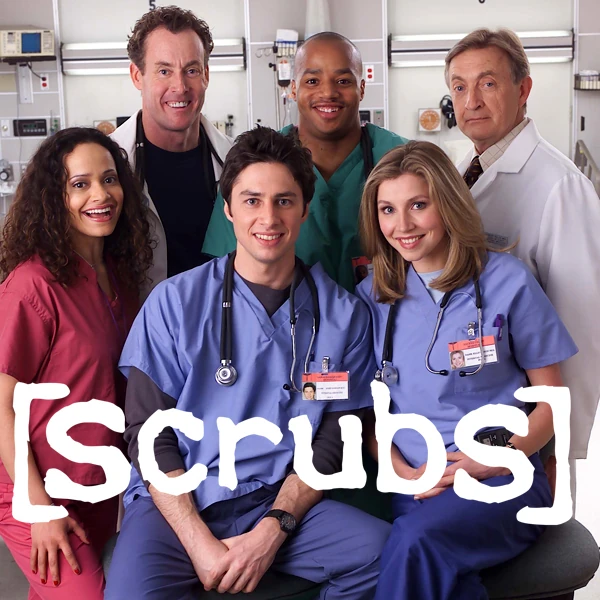
Hospital
drama- Hospital drama is a genre that involves events which happen within a
hospital, this can involve surgery, life and even death of family members, an example of a hospital drama is Scrubs.
Lifestyle-
Life style genre is a television show about how people live weather that be a
rich life style like the house wives of Orange county or a poor life style like
the people who live on benefit street, or even a party life style like people
from the only ways Essex. Life style genres usually cover economic level,
social class, job, attitudes, habit’s and standards.
Makeover-
Makeover genres are self explanatory where people get a new look, they usually
start off with someone who wants to improve themselves in looks and by the end
of the show they will be looking beautiful/handsome. An example of this show is
10 years younger.
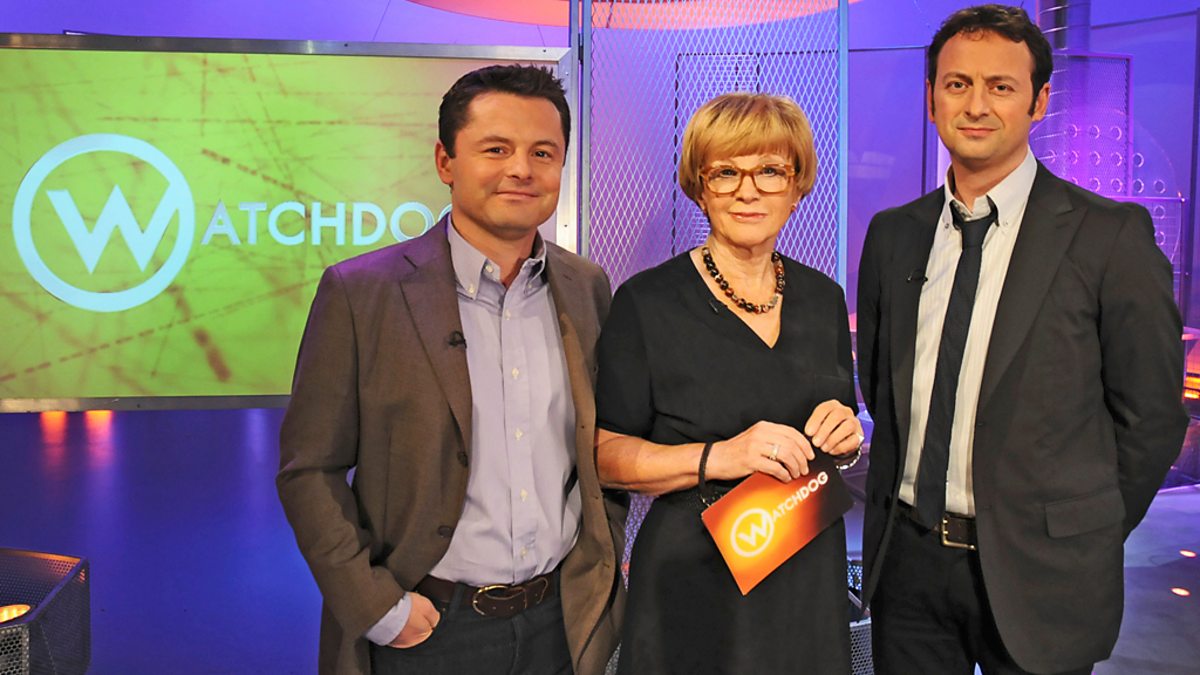
Consumer-
Consumer genre is a television show that try to sell you their products which
they are advertising on TV, for example the shopping channel offer a wide range
of shows where you can shop from and shows such as watch dogs which provides you with information on a product and helps you reconsider before purchasing the product or services, another example would be the gadget show who tell you about products which you will then go out and buy.
Sitcoms-
Sitcoms are comedy shows that involves a comedian telling the live audience
jokes to make them laugh. For example Russell Howard is a sitcom show where he
makes jokes about society.
Chat shows-
A chat show is a genre where people talk about a specific topic that may
intrest the viewer, as the show goes on the people on the show will give out
their own opinions and talk to one another. An example of a chat show is loose
women.
Reality-
reality is a show that is based on the real world and real time with live
events, for example Celebrity Big brother is a reality show.
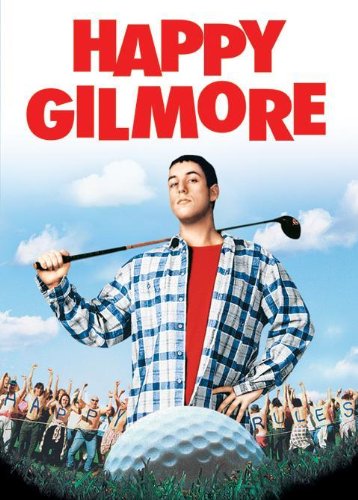
Comedy-
Comedy genre is a show/film that is bound to make you laugh with jokes and
funny events, for example Happy Gilmore is classic comedy film.
TV series- A
TV series is a bunch of different programs that link together into a series,
one after the other and usually follow a story line, an example of a TV series
is the walking dead.
Serial
single drama- Serial single drama is a broadcast which is only shown once and doesn’t
follow the story of the drama show, it can be based on a true event. For
example Ghost adventures record a live event and only show the event once and
do not continue with the same location.
Narrative is
all about how a story is presented to the audience, and when we think about
narrative we must think of the plot and the story. Story is the chronological
order of all event, plot is the way we put it together for the audience. So
it’s the same story but the events are presented differently.
Linear- A
linear narrative is a story that will go in a chronological order and will jump
from one point to another without including/using any type of flashback or
future events within the story.
Non-linear-
A non-linear is a story type that will use flashbacks and future events within
the story however the audience viewing this can be very confused and will find
it difficult to understand the story. For example
Circular-
Circular is when the film starts off at the end and finishes at the end of the
film.
Episodic
narrative- when a film shows someone’s life and puts it into chapters
Single
strand- A single strand is when the story priorities one main characters story
and only focuses on that character instead of sharing the other characters,
this style will usually has a narrator to the story. For example “Dead Pool”
only focuses on the main characters life and talks to the audience narrating
the story.
Multi
strand- Multi strand is when a film/television has more than two different
stories within the film/television and all link to the end, for example the
game “ Halo 5 guardians” as it shows a bunch of different stories of how the
workers and old family and friends that all link to the ending. The audience
would then seek out the different stories and will eventually pick up how they
link to one another.
Realist- A
realistic narrative is a story which contains a real feeling to it, and is
known for giving a realistic effect on the audience and makes the story seem
believable, this story style would be based in the real world. For example the
film “Marley and Me” has a realist effect to the film. Realist films seem to be
about real social problems.
Anti-realist-
Anti realist can be an advert that has fictional characters that don’t appear
in reality to advertise a product, For example the M&M advert shows humans
interacting with the M&M sweet that has come to life.
Open ended-
An open ending is a story that doesn’t have a forsaken ending and will leave
the ending open, an open ending would normally be in chronological order and
would normally be multi stranded, an example of this would be “Coronation
Street”, it could also be presented in real time, however these shows don’t
usually back up the story with music.
Closed-
Closed narrative has a story that usually have a very tight reading, the film
would normally last about 2 hours but would have a compressed story fitting
many years into just two hours, the film would also contain music which will
bonds with the scene, and would end the film with “The End”. An example of this
would be “Forest Gump” that compresses a guy’s whole life into about 2 hours.
Single
episode- a single episode is one film with no continuation to that episode, and
just creates a new story line every time. For example “The polar express”
presents only one episode and doesn’t really continue from when the last
episode finished off as no more films were created.
Series- An
advert can have a series of ads to promote a product or brand or service and
continues to create more, for example the Specsavers advert features different
people who need glasses in the new adverts.
Serial- A
serial is a continuing plot that follows the story from one episode to another
and link’s them all together, For example
“EastEnders”, This story continues season after season, episode after
episode and stick’s to the plot of the television show.
Circular-
Circular is when the film starts off at the end and finishes at the end of the
film.
Episodic
narrative- when a film shows someone’s life and puts it into chapters
Flashback
narrative- Flashbacks are used in films to give an in depth story of a
characters past and helps recreate an event which happened previously,
flashbacks can also be confusing to the audience.
Fiction-
Fiction is described as an unrealistic television show that’s full of creative
ideas which can be impossible to create in the real world and is full of
creatures that don’t exist, fiction is also defined as imaginary for example
cartoon characters such as Gumball and Darwin from the cartoon show “Amazing
world of Gumball” are not realistic and are just cartoon. This could also
relate to the Uses and Gratification theory for self-accusation and esteem to
try and relate yourself to the audience.
Documentary-
A documentary is best described as an education program that has a purpose to
educate the viewers about a specific event. Documentaries are mostly about the
planet earth and about fascinating event that can provide the viewer with
knowledge. For example the discovery channel features documentaries about wild
life. Documentaries could also be related to the Uses and Gratification theory
News- The
news is best described as a way in which people can gain knowledge about
society as the purpose of the news is to educate the viewer about what’s
happening in the world around us, the news is a television show that provides
the public with in depth facts that could affect their lives. For example the
news provides the public with the weather forecast which could affect any
events planned. The news also brings in Uses and Gratification theory as the
theory states we choose what we want to watch to fill in one of our needs and
by watching the news this will fill in your surveillance.
Advertising-
Advertising is best described as a promotion and display of a product as
adverts are created to tempt the viewer into wanting the product. Advertising
are also usually short films which are paid for by the company product
manufacturer to try and sell their product during a television show break. For
example the Cadburys chocolate bar advert, advertises during the break and
temps the hungry audience into wanting it.
Promotional-
A promotional video is a type of advertising that promotes a film or an event
on their television channel to encourage the audience to watch it. Promotional
is also described as a way of self-promoting what you have to offer on your
channel and can keep viewers tuned in for further programs and new releases. For
Sky movies promoted itself at Christmas by advertising a bunch of different
films that are going to be shown.
Hybrid-
Hybrid is a mixture of different genres within the film or video, Hybrid is a
mixture of 3 or more genres within a film for example if a film/video display
romance, horror and comedy all together in the same film this would be classed
as hybrid. An example of a hybrid film would be Avatar as it has action,
romance and comedy within the film.
In this assignment I am going to be explaining the media effect
theories, the media theories have two different opinions on audiences,
some media theories suggest media audiences are passive and others suggest they are active.
Audiences
In this assignment I will cover approaches or models from active audience theories and passive audience theories these are the Drip-Drip effect, Reception theory, Uses and Gratifications, Hypodermic Needle Theory and the Two Step-Flow Model, these theories help us understand how media audiences take in
information and consume media as well as how they react and respond to media.
Some media analysts believe that the public can easily be
manipulated and are passive, meaning the public only observe and don’t respond
so any information that comes from the television people instantly believe anything the television
says is true and are just being spoon fed information. Some media analysts believe it has a major effect on people’s
behaviors, for example the Jamie Bulger case, this was a tragic event when the
toddler was lured away from his parents by 10 & 11 year old children who beat Jamie to death and put him on a train track, it was intentionally reported that the two
boys where influenced by the film Child's Play 3 (Jack bender, 1993) which features an evil possessed doll named “Chucky” who commits brutal
murders.A social experiment which backs up this idea is the Bobo Doll experiment when children watched violence and aggressive behaviors and then the children would then pick up various house objects and would beat up the Bobo Doll re enacting what they saw as they think its right. (I speak about this in more detail later)
The media can be subtle in the way in which ideas and messages are communicated to audiences and it isn't always obvious but it influences people sentences and structures of how they should view the world and society, for
example the Drip-Drip theory is when you see more and more of the same thing
you will think it’s the right way to act. An example of the drip-drip theory is could be Disney princess films, in the majority of the Disney princess films the princesses
always find their handsome princes and they have a happy ending once they are together,
this means young girls watching these films will automatically assume they will
need to go and find their own prince.
Effect models
Effect models presents the idea that the media has an effect and
influence on people in negative ways in which cannot be prevented the media is frequently seen to cause a moral panic.
Effect models says that the public is a homogeneous which means the same and how everyone wants the same thing.
Hypodermic - Passive audience theory
The hypodermic needle models suggest that people believe the media
head on so whatever the media tells them they will instantly believe it. The Bobo Doll experiment is a great example of the hypodermic needle theory as
it features children who have been exposed to violent behaviors and were put in
a room with daily objects along with the Bobo Doll, the children started acting
aggressive against the bobo doll and started using dangerous objects such as a
hammer and a gun. This experiment created by Bandura can be used to support the idea that what people see
from the media has an effect their behaviour. However we don't know how long the children were left alone in the room and being alone in a room could cause them to be aggressive of wanting to get out, and the media could of just shown us a short clip of what they want us to see. The Hypodermic needle theory
says the media is like a gun shooting the bullet straight into the brain, the
hypodermic needle is the best theory for propaganda, and for example Hitler
used the hypodermic theory to brain wash people into thinking Jews were evil
people. When it comes to advertising on television the hypodermic needle theory
inside the advert tricks our minds into thinking we need the product they are
advertising.
Uses and Gratification model – active Audience
The Uses and Gratification model states the audience are
active in choosing media for their own entertainment and pleasure. This theory suggested by Blumber and Katz links to the Maslow’s Hierarchy of needs, the hierarchy starts with self-actualization at the top then esteem,
love/belonging, safety and physiology at the bottom, this hierarchy shows what
the viewer will be attracted to the media that most satisfies their needs. The Uses
of Gratification argues back that passive just looks at the content but active
looks at what we choose to watch and also how we the audience interact with media. The Uses Gratification theory created by
Blumber and Katz says we have different uses and have the power to choose what we want to watch. People often use media as a diversion to escape from
problems in the real world and go into a dimension where they have no worries,
they also use the media for personal relationships to make them feel emotional. The media is also used for personal identity to help find
yourself reflected in media, and finally we use the media for surveillance this
is where we use the media to find bargains, weather reports and financial news.
The U&G break down
Information and Surveillance is when we use media such as Google to locate and gain knowledge
to satisfy our curiosity, to educate our self, to find out about our
surroundings in the world and to seek out help on problems from other people’s
opinion. Other examples of this include the News, weather reports and watch dogs where we rely on them programs to give us detailed information and surveillance knowledge.
Personal Identity is when we use the media to find role models and personal behavior as well as identifying
reinforcement for personal values. For example a soap opera such as Correnation street and Eastenders.
Entertainment is when we use the media for escaping and
diverting away from problems as well as wasting time and for personal relaxing,
enjoyment and sexual arousing. For example YouTube is used for entertainment purposes to help people escape from reality.
Interrogation and social interacting/ personal relationships
is when we use the media for social interaction with people including family
members, to gain a sense of belonging, used to have a basic conversation,
helping social roles, gaining insight knowledge of others as well as gaining
and insight of circumstances. For example Facebook, Instagram and Twitter are all social media sites where people can meet from around the world to interact with others and have personal relationships.
Drip-Drip effect
The Drip-Drip effect is when the media slowly drips
information in your head until your mind has been completely turned into making
you believe something is true, the Drip-Drip effect also continuously drips
more and more information inside when you watch more and more of a video or
listen to a radio more. For example Disney princesses are a great idea of the
Drip-Drip effect as all the princesses find a price and have a happy ending and
this would encourage young girls to think they need to find a boyfriend in
order to live happily. Another example is adverts, adverts on television can be tempting and when you keep viewing and watching the same advert over and over again this slowly drips into your mind that you will need the product, a particular advert that keeps on playing is the Nerf gun adverts on Cartoon networks, this could slowly drip into the kids mind on genre stereo types as they advertise girls Nerf gun with the colour pink and the boys Nerf gun with the colour blue.
Two-Step Flow Model
The Two-Step Flow model is when the mass media has an effect
on people giving them two different opinions and the people with the two
different options are known as the opinion leaders, the opinion leaders then
share their information with other people causing a debate between the two
different opinions, for example the way the news reported on Brexit had created two different opinion leaders one being David Cameron who was against
Brexit and the other being Nigel Farage who was for Brexit and both opinion leaders had an effect on the public, they then
influenced the public on the two different opinions and then came down to a
vote for a final conclusion.
Reception theory – Active Audience
Uses and Gratification has it's problems and limitations
that’s where Stuart Hall comes in. The Reception theory was created by Stuart
Hall in the 1970’s.
Encoding/Decoding
Encoding is a message which is present in a film and when
the audience watch the film they decode the message by the symbolic events
which happen in the film and take in the information from the creator of the
film who made the message.
The audience receive three different opinions after watching a show or film, they might choose to agree to the message of the story, for example the news, they might decide to kinda agree but kinda don't agree which means their minds are undecided weather to believe the message of the show/film, or they might choose to disagree fully which means the encoded message doesn't relate to the person or change their opinions.
From all the research I’ve gathered I have successfully come
down to a conclusion that the effect theories do have a massive effect on the
audience, I personally believe the hypodermic needle theory used to be one of
the most strongest and effective theory in the past as the hypodermic needle theory was
used in Germany by the Nazi party to gain power in Germany and brainwashed
people into believing Jews were evil. However in today's world more people own their own TV and are an active audience, however some theories are not that
effective for example the drip-drip effect that would have to take time for the
audience to digest before believing something is true. Finally In my opinion I
believe the public are an active audience since we have the power to choose
what we want but at the same time I also think the audience are passive since
society rely too much on the media, but the Uses and Gratification theory put
my opinion in favour for the audience being active as we do choose what we want
to watch in order to feel our needs.