The ASA stands for the advertising agents authorities and
have control of what advertise are and aren’t appropriate, their job role
involves receiving complaint letters and looking into cases to decide whether
or not it’s appropriate for television, for example if the advert contains
adult content they will need to make sure its shown to the public after the
watershed, however if an advert gets too many complaints the ASA will ban the
advert and in this situation the 50 Cent Reebok advert was banned.
The Reebok 50 Cent advert was officially banned for
contravening with the rule known as ‘glamourous gun culture’, this was due to
the advert highlighting 50 Cent as being shot 9 times and had distressing shots
of symbolic images and sounds such as the red lighting combined with the
dripping water and the distress noise of a lady screaming along with a gun
shot. The 50 Cent Reebok advert had multiple complaints from viewers as the
message of the advert to them seemed to encourage gun violence as the
complaints seem to pick out the gun shot sound, the dripping water with red
lighting indicating blood, the sound of the radio saying he was shot 9 times
and the question at the end ‘tell me who will you massacre next’, which in my
opinion means who is going to be the next victim which indicates violence to
the viewers. On the other hand the Reebok advert explained that their advert
was supposed to inspire people that no matter where you come from or how close
you are to death you can achieve anything even when life hits you hard with 9
bullets you can still get up and be who you want to be which explains the
message ‘I am what I am’, an Reebok was not intended to increase gun violence
but to be a positive message of empowering celebration of the right and freedom
and self-expression of individuality.
The Reebok 50 Cent advert primary audience was directed
towards 13-25 year old and are the ones who the advert intended to directly
communicate with in order to try and get the companies message across to them,
however the secondary audience who happen to come in contact with the advert
had been really offended by the 50 Cent Reebok advert, the secondary audience received
the message of the advert as a growth in gun crime to brainwash younger viewers
into becoming criminals which was then reported back to the ASA. An example of
primary and secondary audience is a young viewer around the age of 15 watching
the Reebok advert on television and then the parents who walk in the room and
see the advert who are aged 47 see the advert and have a different opinion than
the primary audience. Also at the time the advert was released there was a lot
of gun crime violence happening within UK at the time which caused distress for
many people giving the advert a negative effect towards the audience.
Narrative analysis: Narrative
analysis is when one or more speaker is involved in sharing and recounting a
specific event or experience that has happened. Narrative analysis can also be
in a story since there are many twists and turns the character or narrator may
have a conversation about common structural features.
Todorovs 5 stages
50 Cent
Equilibrium- The advert starts
off with 50 Cents home town in his neighbourhood daily routine showing us his
street from his childhood just like any other ordinary day.
Disruption- The disruption in the
advert was when the advert shows signs of dripping water with the red lighting
as we hear a gunshot and see 50 Cent bend down forward which lets us know that
50 Cent has been shot and has then caused a disruption in his daily routine.
Recognition of disruption- The
recognition of the disruption was when the advert played sounds of distress
such as police and ambulance sirens which indicates the recognition of 50 Cent
being shot.
Attempt to repair disruption- The
attempt to repair disruption was when 50 Cent looks at his reflection in the
water reflecting back on his past as we then hear a rewind sound as the camera
reverses backwards which tells us that 50 Cent realises he has a second chance to
make something of himself.
Reinstate of equilibrium- Then the reinstate of equilibrium
is when we see 50 Cent counting up to 9 as we hear all the success and fame he
has obtained as it finishes with the words ‘I am what I am’ which then shows
his reinstate of equilibrium.
Semiotics is the study of meaning and how it is formed by
signs such as words, images or music. It can be used as a tool to help analyse
the symbolic codes of a media text.
Roland Barthes created the study which we now call
semiotics.
Moving image language: its split into 4 elements
Mise-en-scene (what is put into scene), Cinematography (camera works), Sound
and editing in film studies these 4 motive languages are called microliters.
Mise-en-scene:
Mise-en-scene: it’s a French term meaning what is put into a
scene or a frame, When you see everything in the frame what can you analyse
from that, all the elements are setting, props, costume, hair and makeup,
facial expression and body language, lighting and colour, positioning of
characters/ objects in the frame.
Props in scenes: Gun
seen in action films, knives seen in horror, big ben associates with London, a
taxi associates with New York, Gadgets used in spy/science fiction films.
Costume, hair and makeup: this shows the characters
personality, job and status. For example a vampire wears a black cape,
Spiderman wears a spider suit.
Facial expression and body language: if someone is smiling
we assume they are happy and if it was accompanied with scary muse
Positioning of characters & object within the frame:
thing in the frame can Signiant feelings of two different characters,
positioning in the frame can draw attention to certain objects / characters.
Colour: Colour can give a particular look or effect or mood
and can over all be used for a dramatic effect. Red = danger, Can be used to
how a characters hidden emotions or to highlight important objects and
characters within the frame, to make the character look mysterious i.e
shadowing parts of body, bright = happy, dark = disturbed.
Lighting: there is low key lighting and high key lighting,
Low key lighting is created by back lights and key, which
creates sharps contrasts of light and darkness areas, deep, distinct shadows/
silhouettes are formed.
High key writing: more filler lights are used lighting is
natural and realistic to our eyes, produces brightly lit sets or a sunny day.
Hairlight is used to separate you from the back ground and
makes you pop out more.
Key light: most important light in the scene, creates
dramatic scene, half dark, most brightest light
Fill light: less dramatic, not film like, more realistic to
our eyes as it feels in all the shadow spaces so it’s more lighter
To get less light push the light further away
Hair light turns it into a film- shines it down on the back
of actors head, if the hair light was by itself it makes the scene dramatic or
dreamy light depending on the apache.
Sound
Sound doesn’t seem important but it helps you understand how
important it is to make up the scene
Diegetic: any voice, musical sound that comes from the film
world that the characters can hear
Non diegetic: music originates from outside the film and
adds meaning to the audience which the film characters can’t hear.
Voice over: non diegetic, the voice over is used to describe
and help us understands what’s happening in the scene even though the guy
talking isn’t their
Sound bridge: links two scenes together for example music
plays in one scene and continues to a different scene which connects the two scenes
and suggest the mood is still the same and often has a common theme.
Pleonastic sound: exaggerated sound, can be exaggerated from
the use of foley sound, sounds that are quiet made louder, sound effects example
handling of guns, kissing and tap dripping.
Contrapuntal sound: sound that don’t match the image and can
confuse people and doesn’t link to what you see could create a mystery effect.
Example Happy music playing while two people are being aggressive and angry
arguing with each other. Creates a humorous effect example Shawn of the dead
Silence and dialogue: creates an impact, pitch/tone/volume
creates a meaning of how character mood an atmosphere of a scene. Creates a
tense scene a quit noise to a loud sound can be frightening.
Cinematography
The way the camera is angled to show the meaning.
Composition of visual elements
Cinematography is made of shots angles and movements
Need to think how to frame a shot how it’s organised on who
or what is in the frame to create a meaning.
Close up: used for facial expressions, show emotions, can be
used to show fear or evulsion, and makes the audience feel closer or repulsive
from the character.
Extreme close up: used to identify detail that you wouldn’t
really notice, can cause tension and makes you realise how important some
certain objects are.
Two shot: allows you to see two characters together to show
the relationship, its usually a mid-shot upwards shows two bodies to allow you
to compare.
Over the shoulder shot: camera angle from over someone’s
shoulder, helps you understand two characters and shows an angle from ones
perspectives of what they are looking at.
Point of view shot: first person view and puts you in the
characters shoes, leads sympathy to the protagonists
High angle shot: allows you to see a characters angle from
above makes the subject appear small a venerable.
Low angle: makes people look big tough and dominant, it’s a
camera angle shot from below looking up.
Pan: horizontal turns movement of the camera from left to
right or right to left on the spot.
Tilt shot: like a pan shot but moves up and down on the spot.
Editing
Editing a film involves selecting and combing sequences in
no particular order.
Good editing is used to get the audience to understand the
films story by creating and enhancing the mood, emotion and characters.
Sequences is a bunch of clips together.
Montage: A montage is created through assemble of quick
cuts, disconnected time or place that combine to form a larger idea. A montage
is frequently used to show a time happening as they
Parallel editing: filming two different locations at the
same time so you can see it happening at the same time and can be used to
mislead the audience. It’s also when it cuts back and forward between scenes.
Split screen: runs two shots side by side in the same scene,
this effect causes simultaneous actions.
Dissolves: dissolves are a form of transition, allows you to
get from one scene to another
Elliptical editing: the use of editing to compress time, the
use of transition such as cuts or dissolves to compress time e.g in Batman
begins Bruce Wayne has an on screen time of 58 seconds in which he climbs a
mountain so it shortens down the journey.
Graphic match: Graphic match is when a scene links to
another scene using the same shape or colour that match up
Rhythm and pace: the rhyme and pace helps set the scene by
the music or mood by the paste of the edit to create a tension shot by speeding
up the cut of the scenes and to create a more relax scene slow down the cut
speed.
Long takes: long take without cutting
Jump cuts, match cuts and cut away: jump cuts used to travel
in time or create disorientation, match cut is used to follow the movement of a
person or object, cut away is cutting away from the shot then returning to it
180 degree rule – it’s used so you don’t confuse the
audience, you can’t cut from one side to the other.
Soap opera-
Soap opera is a television genre that features a drama series which focuses on
the lives of different characters emotional relationships and how the cope with
everyday life problems acted out in the soap opera. An example of a soap opera
is Coronation Street.
Crime drama-
Crime drama is also a television genre except a crime drama focuses on a main
hero/character that is investigating or is going to commit the crime. Crime
drama usually involves some sort of criminal activity such as bank robberies,
murders and assault, for example Dexter is a crime drama.
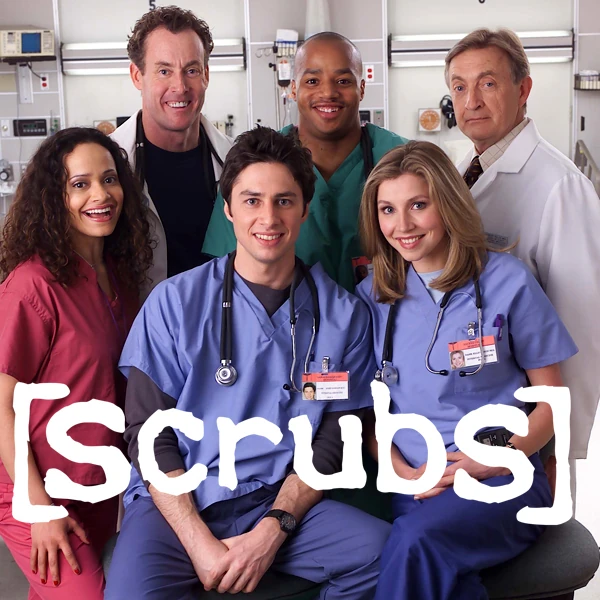
Hospital
drama- Hospital drama is a genre that involves events which happen within a
hospital, this can involve surgery, life and even death of family members, an example of a hospital drama is Scrubs.
Lifestyle-
Life style genre is a television show about how people live weather that be a
rich life style like the house wives of Orange county or a poor life style like
the people who live on benefit street, or even a party life style like people
from the only ways Essex. Life style genres usually cover economic level,
social class, job, attitudes, habit’s and standards.
Makeover-
Makeover genres are self explanatory where people get a new look, they usually
start off with someone who wants to improve themselves in looks and by the end
of the show they will be looking beautiful/handsome. An example of this show is
10 years younger.
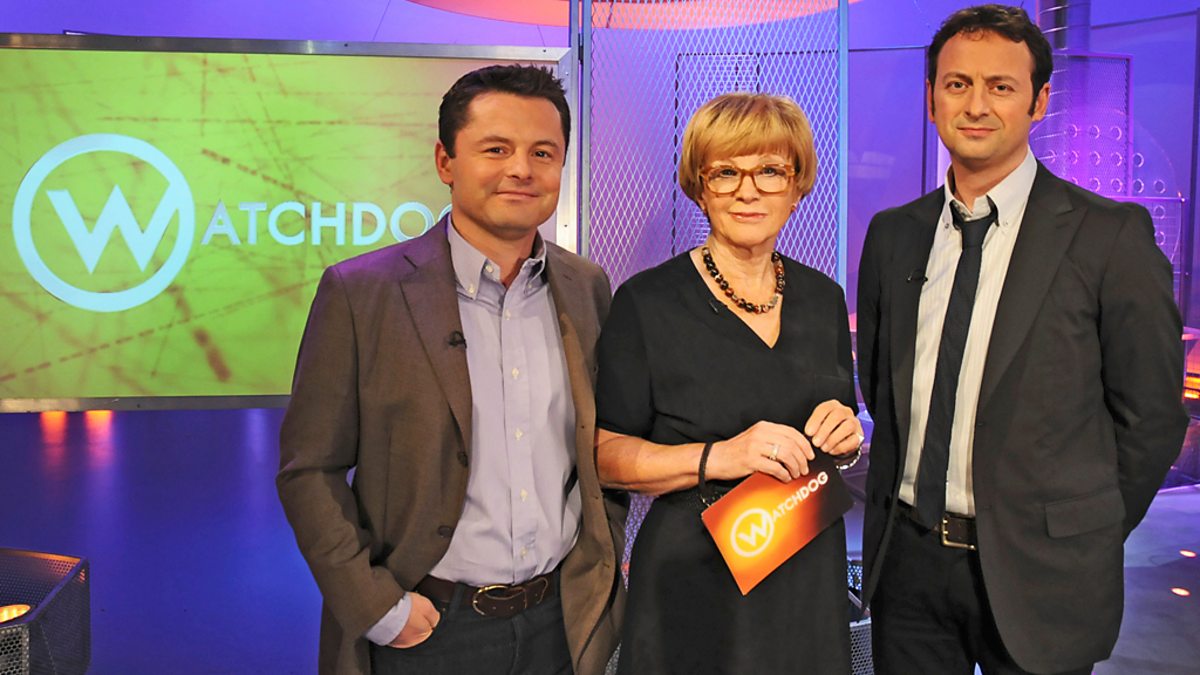
Consumer-
Consumer genre is a television show that try to sell you their products which
they are advertising on TV, for example the shopping channel offer a wide range
of shows where you can shop from and shows such as watch dogs which provides you with information on a product and helps you reconsider before purchasing the product or services, another example would be the gadget show who tell you about products which you will then go out and buy.
Sitcoms-
Sitcoms are comedy shows that involves a comedian telling the live audience
jokes to make them laugh. For example Russell Howard is a sitcom show where he
makes jokes about society.
Chat shows-
A chat show is a genre where people talk about a specific topic that may
intrest the viewer, as the show goes on the people on the show will give out
their own opinions and talk to one another. An example of a chat show is loose
women.
Reality-
reality is a show that is based on the real world and real time with live
events, for example Celebrity Big brother is a reality show.
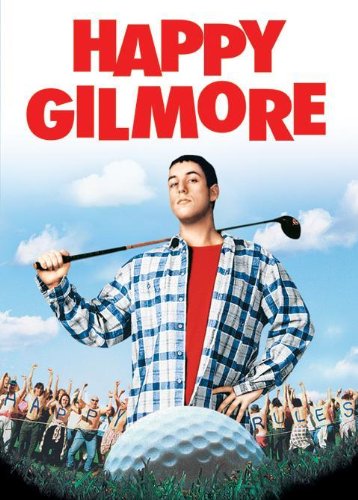
Comedy-
Comedy genre is a show/film that is bound to make you laugh with jokes and
funny events, for example Happy Gilmore is classic comedy film.
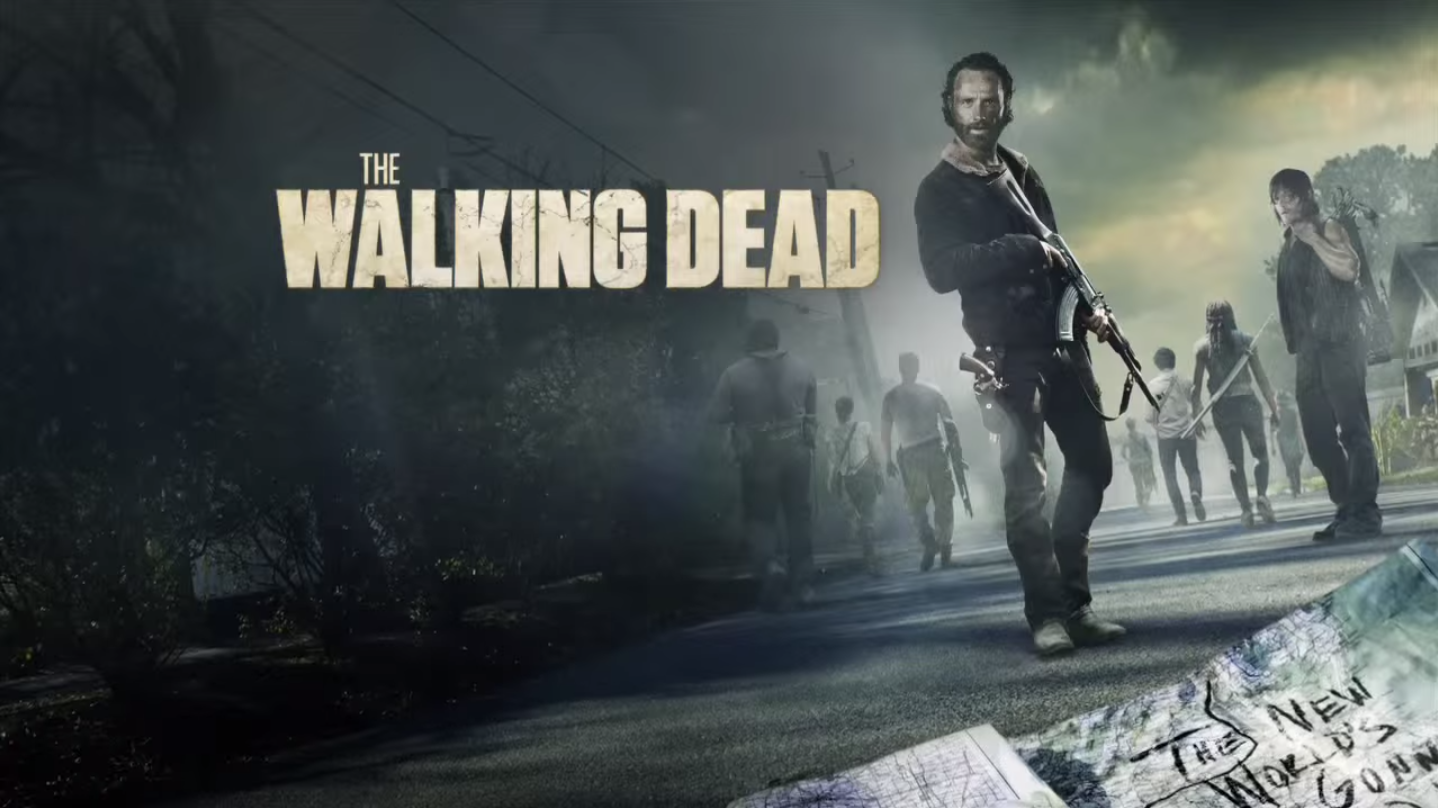
TV series- A
TV series is a bunch of different programs that link together into a series,
one after the other and usually follow a story line, an example of a TV series
is the walking dead.
Serial
single drama- Serial single drama is a broadcast which is only shown once and doesn’t
follow the story of the drama show, it can be based on a true event. For
example Ghost adventures record a live event and only show the event once and
do not continue with the same location.
Narrative is
all about how a story is presented to the audience, and when we think about
narrative we must think of the plot and the story. Story is the chronological
order of all event, plot is the way we put it together for the audience. So
it’s the same story but the events are presented differently.
Linear- A
linear narrative is a story that will go in a chronological order and will jump
from one point to another without including/using any type of flashback or
future events within the story.
Non-linear-
A non-linear is a story type that will use flashbacks and future events within
the story however the audience viewing this can be very confused and will find
it difficult to understand the story. For example
Circular-
Circular is when the film starts off at the end and finishes at the end of the
film.
Episodic
narrative- when a film shows someone’s life and puts it into chapters
Single
strand- A single strand is when the story priorities one main characters story
and only focuses on that character instead of sharing the other characters,
this style will usually has a narrator to the story. For example “Dead Pool”
only focuses on the main characters life and talks to the audience narrating
the story.
Multi
strand- Multi strand is when a film/television has more than two different
stories within the film/television and all link to the end, for example the
game “ Halo 5 guardians” as it shows a bunch of different stories of how the
workers and old family and friends that all link to the ending. The audience
would then seek out the different stories and will eventually pick up how they
link to one another.
Realist- A
realistic narrative is a story which contains a real feeling to it, and is
known for giving a realistic effect on the audience and makes the story seem
believable, this story style would be based in the real world. For example the
film “Marley and Me” has a realist effect to the film. Realist films seem to be
about real social problems.
Anti-realist-
Anti realist can be an advert that has fictional characters that don’t appear
in reality to advertise a product, For example the M&M advert shows humans
interacting with the M&M sweet that has come to life.
Open ended-
An open ending is a story that doesn’t have a forsaken ending and will leave
the ending open, an open ending would normally be in chronological order and
would normally be multi stranded, an example of this would be “Coronation
Street”, it could also be presented in real time, however these shows don’t
usually back up the story with music.
Closed-
Closed narrative has a story that usually have a very tight reading, the film
would normally last about 2 hours but would have a compressed story fitting
many years into just two hours, the film would also contain music which will
bonds with the scene, and would end the film with “The End”. An example of this
would be “Forest Gump” that compresses a guy’s whole life into about 2 hours.
Single
episode- a single episode is one film with no continuation to that episode, and
just creates a new story line every time. For example “The polar express”
presents only one episode and doesn’t really continue from when the last
episode finished off as no more films were created.
Series- An
advert can have a series of ads to promote a product or brand or service and
continues to create more, for example the Specsavers advert features different
people who need glasses in the new adverts.
Serial- A
serial is a continuing plot that follows the story from one episode to another
and link’s them all together, For example
“EastEnders”, This story continues season after season, episode after
episode and stick’s to the plot of the television show.
Circular-
Circular is when the film starts off at the end and finishes at the end of the
film.
Episodic
narrative- when a film shows someone’s life and puts it into chapters
Flashback
narrative- Flashbacks are used in films to give an in depth story of a
characters past and helps recreate an event which happened previously,
flashbacks can also be confusing to the audience.